Metal and Wood Painting

We paint metal and wood items. We choose the preparation method, primer, and paint based on the material, its condition, and whether the item will be used indoors or outdoors.

Painting a prepared surface

What we paint and how we prepare it

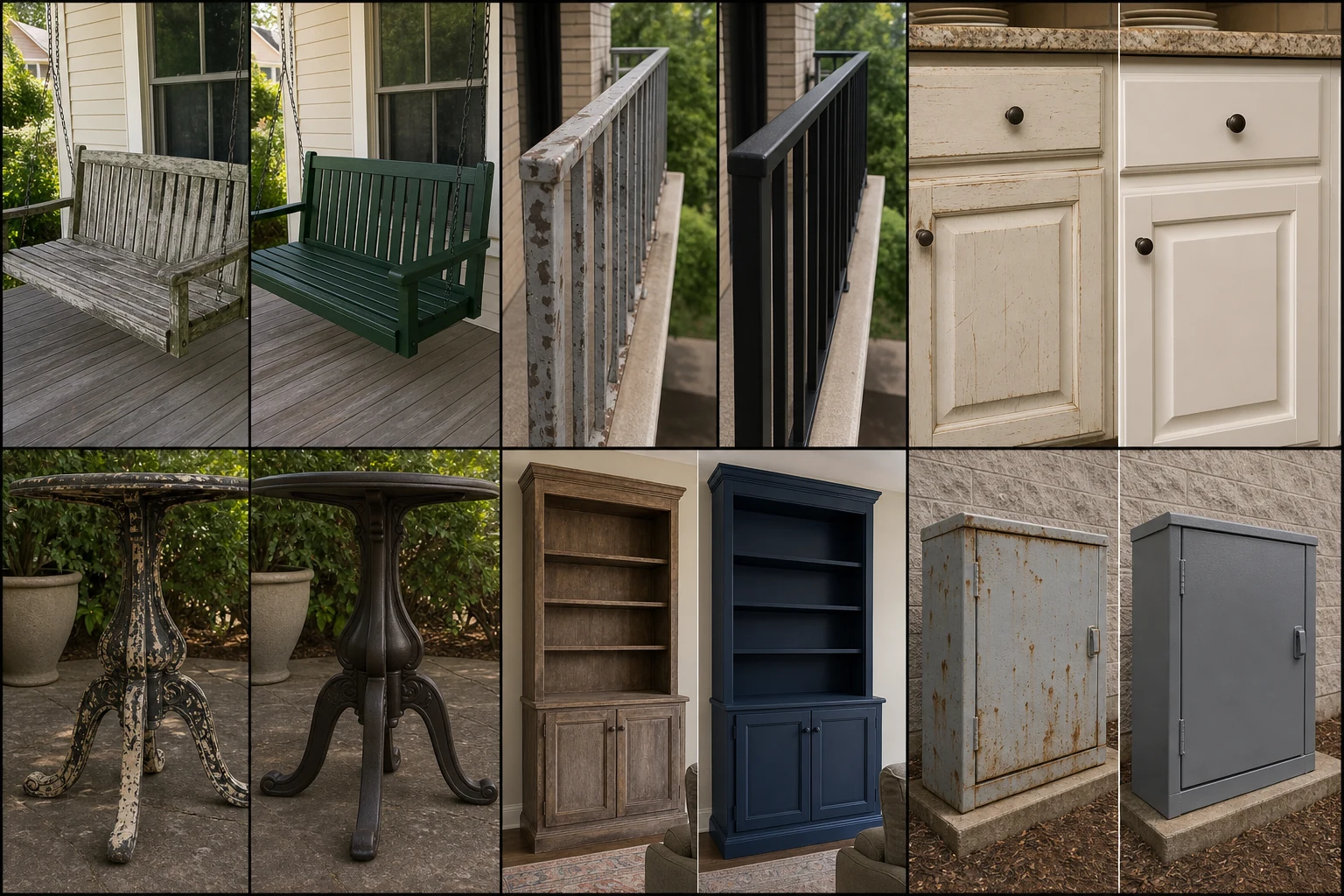
Painting examples on a wood bench, railing, kitchen cabinets, patio furniture, cabinet, and metal enclosure

Doors, gates, and railings

What We Do
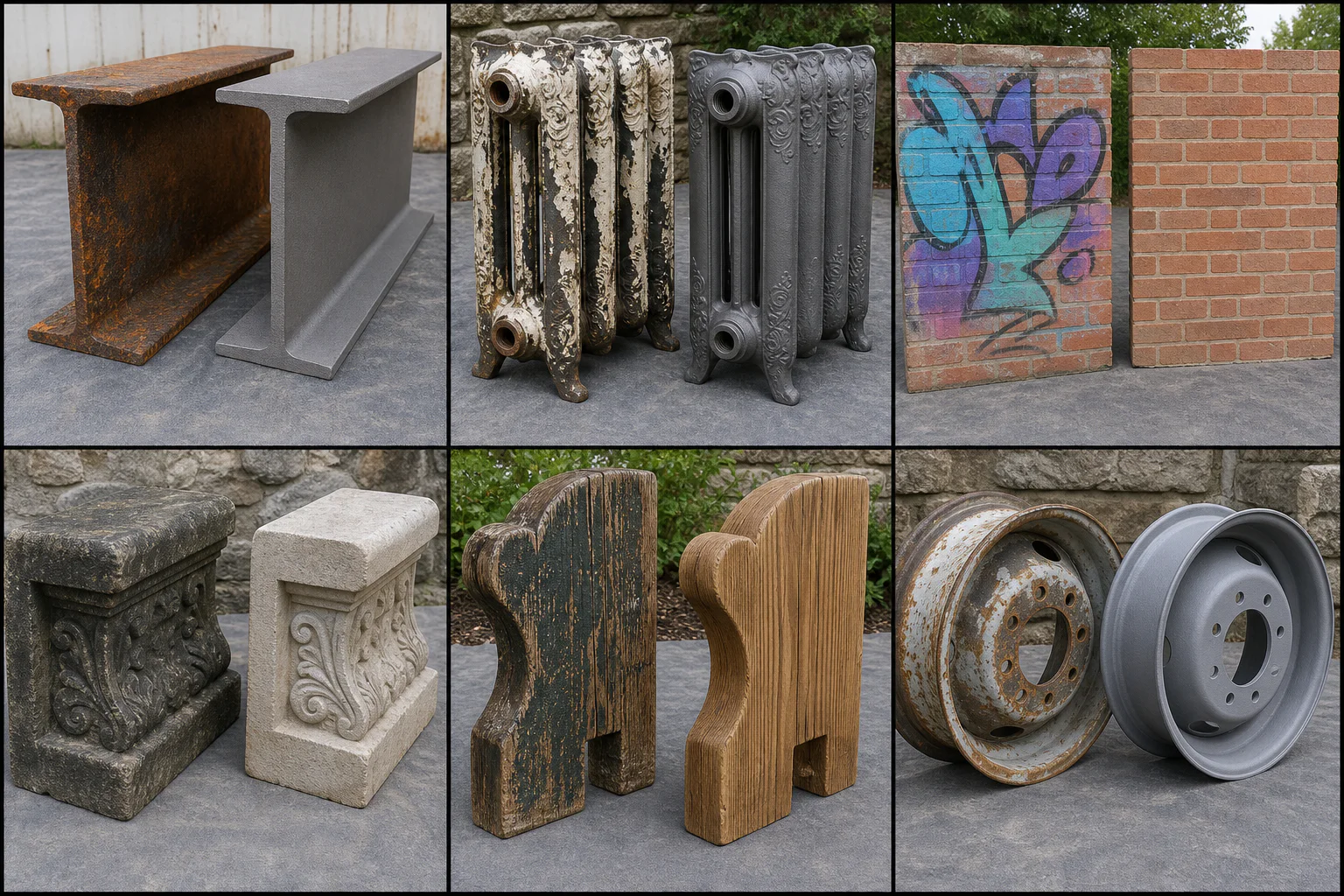
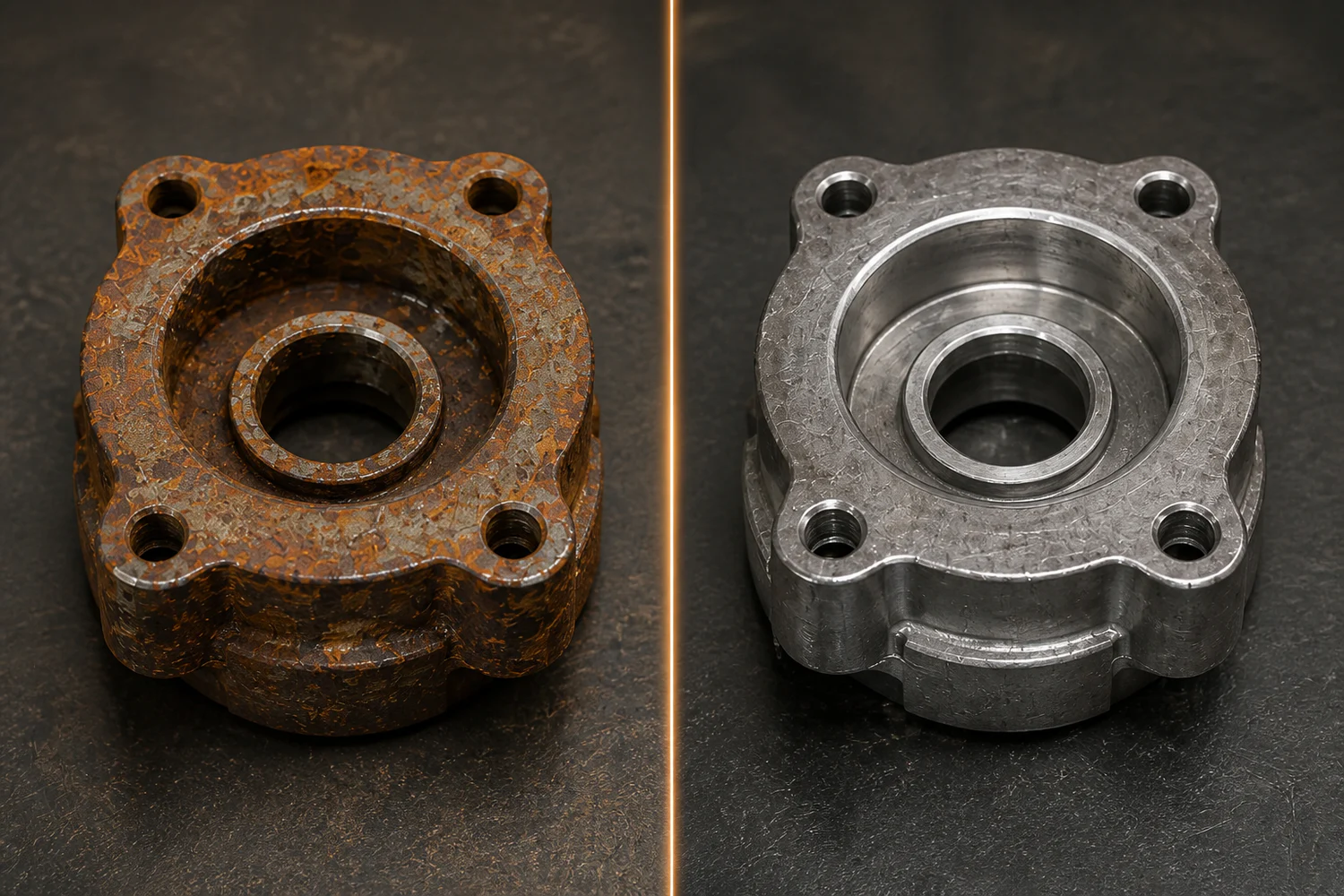
We remove rust and peeling paint, smooth the edges of the remaining paint, prime exposed metal, and apply paint.
Result
A smooth finish in your selected color that protects properly prepared metal from moisture and rust.

Important: A finish may not last as long if rust is hidden inside or water collects in cavities. Sharp edges require especially careful preparation.

Frames and metal structures

What We Do
We degrease and clean the surface, then apply primer and paint.
Result
A smooth protective finish suited for outdoor, indoor, or working conditions.

Important: Paint cannot fix cracks, poor welds, or severely thinned metal. We select the number of coats for the intended use.

Equipment housings

What We Do
We remove oil and loose coatings, mask areas that cannot be painted, and choose paint suited to the equipment's operating conditions.
Result
A smooth coating that protects the housing and makes it easier to maintain.

Important: We do not paint electrical contacts, nameplates, sensors, threads, or hot surfaces. These areas are confirmed before work begins.

Galvanized steel, aluminum, and stainless steel

What We Do
We degrease the surface, prepare it carefully, and apply a primer made for that specific metal.
Result
A smooth finish in your selected color over a primer suited to the metal.

Important: Incorrect preparation or primer can cause peeling, so we test the system first.

Wood doors, benches, and furniture

What We Do
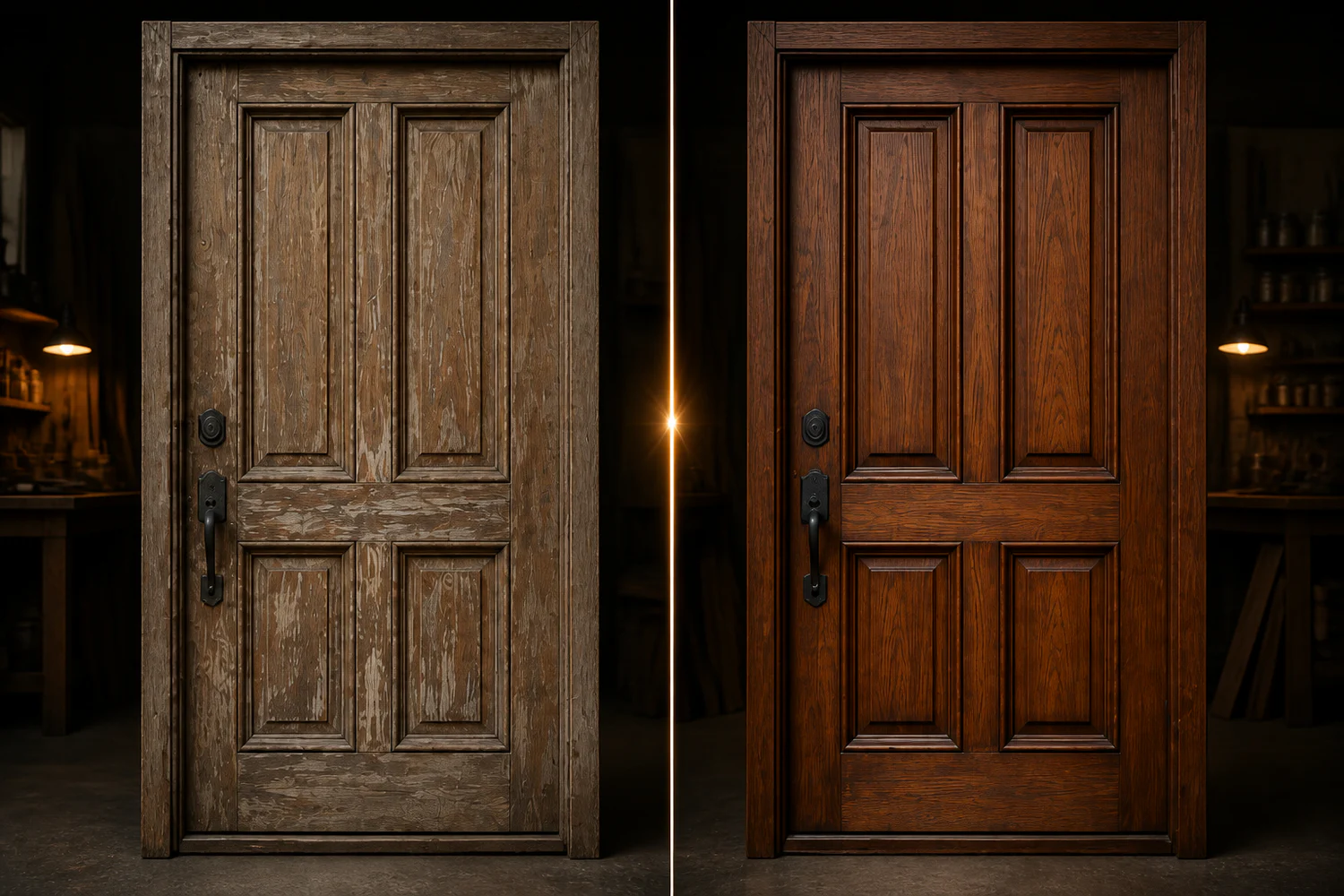
We clean the surface, remove loose paint, repair minor defects, prime, and paint.
Result
A smooth finish in your selected color, suited to where the item will be used.

Important: Damp, rotten, or weakened wood must be dried and repaired first. Valuable veneer and antique finishes require a restoration approach.

Repainting over an existing finish

What We Do
We check the existing paint for adhesion, remove loose areas, and prepare the remaining finish for repainting.
Result
If the old paint is in good condition and compatible with the new coating, it does not need to be removed completely.

Important: Blistered paint, hidden rust, or damp and damaged wood may require more thorough cleaning or repair.

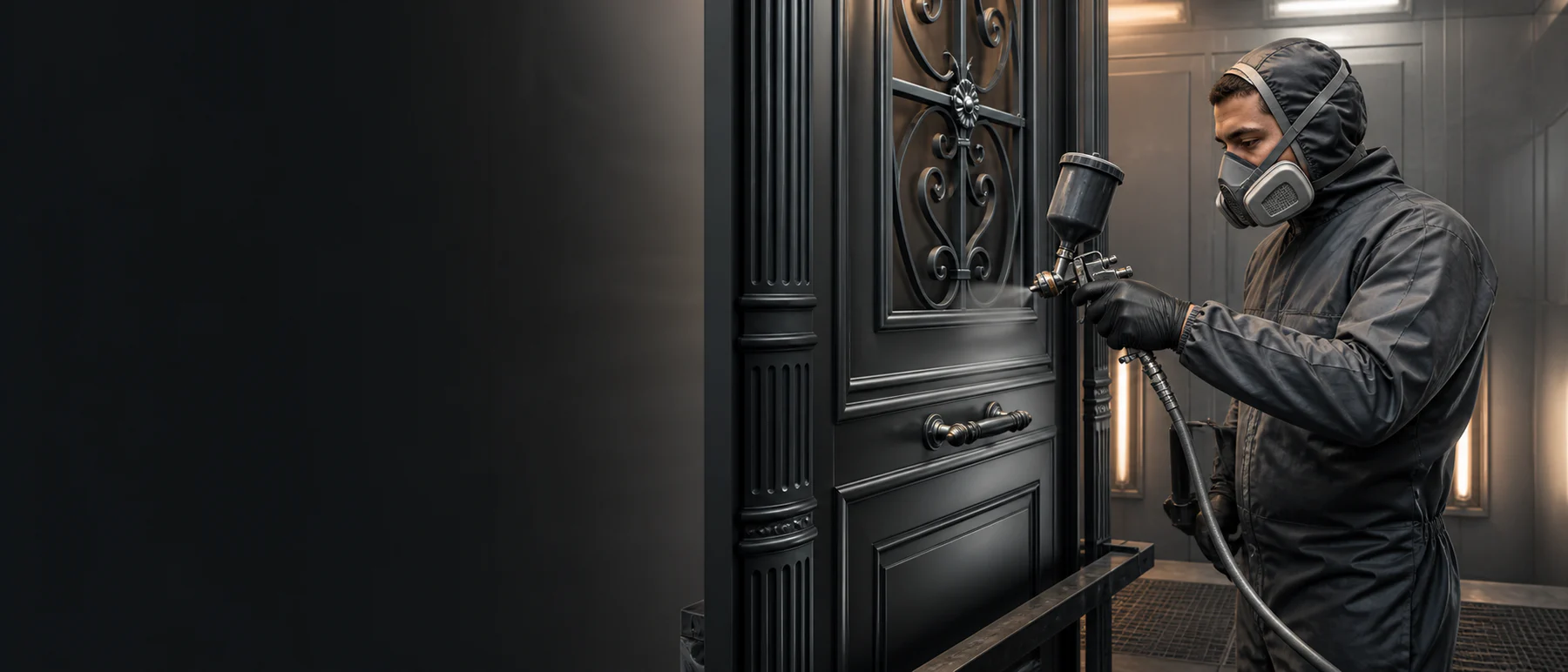
A durable finish depends on more than color. We apply paint at the proper temperature and allow the required drying time between coats and before the item is used.

Why Choose This Service

Complete on-site service

We clean, prepare, and paint the item at your property while protecting nearby floors, walls, and belongings.

Coatings selected for the conditions

We choose primer and paint for metal or wood, indoor or outdoor use, moisture, sun exposure, and the finish you want.

Color sample check

We recommend checking color and sheen on a sample, especially when only part of an item will be painted.

What to Consider

Before work begins, we check the material, the old coating, and any nearby surfaces that need protection.

  1. Paint cannot repair underlying damage. Severely rusted metal, rot, and loose wood joints must be repaired first.

  2. Dust, grease, moisture, resin, and peeling paint prevent proper adhesion, so we clean and dry the surface first.

  3. Primer and paint must be compatible with the surface, existing finish, and intended use.

  4. Time between coats and full curing depend on the selected paint and temperature.

  5. Photos cannot guarantee an exact match to an existing color and texture. We check color on a sample.

How It Works

  1. Photos and project details

    Send us an overall photo, a close-up, and a short description of what you need done.

  2. Material selection

    We consider the base material, existing paint, intended use, desired color and sheen, and protection from moisture and wear.

  3. Surface preparation

    We clean the surface, remove rust and peeling paint, repair minor defects, and remove dust.

  4. Protecting surrounding parts

    We protect threads, connection points, glass, seals, and areas that should not be painted.

  5. Primer and paint

    We apply primer and paint, allowing the required drying time between coats.

  6. Drying and final check

    We allow the finish to dry, check the color and coverage, and tell you when the item can be used.

What Affects the Price

Price depends on more than size. We also consider the material, surface condition, and access to the work area.

View Pricing Details

Surface area, shape, and number of parts

Condition of the surface and existing finish

Preparation method and the amount of masking needed nearby

Material and intended use

Paint type, color, sheen, and number of coats

Painting one side or all sides

Access to the item and any on-site disassembly

What to Send on WhatsApp

Send us a few photos and describe the work you need in your own words.

  • An overall photo of the object
  • A close-up of the damage or buildup
  • A brief description of the work you need
WhatsApp

Frequently Asked Questions

Can you paint directly over old paint?

Only if the existing paint is in good condition, clean, and compatible with the new coating. Rust and peeling areas must be removed first.

Which is better before painting: laser cleaning or sandblasting?

Sandblasting is often better for durable steel and large areas, while laser cleaning works well on small or hard-to-reach areas. We prepare wood with gentler methods after inspection.

Do you paint wood doors, benches, and furniture?

Yes. We first inspect the wood and existing finish, then choose the right preparation and paint for indoor or outdoor use. Damp, rotten, or broken areas must be repaired first.

Can you match an exact color?

We select color from a catalog or sample. Existing finishes, lighting, and sheen can affect how it looks, so we make a test sample when an exact match is important.

When can the item be used again?

Timing depends on the paint, temperature, and number of coats. Once the materials are selected, we will tell you when the item can be used.

Call WhatsApp